Menstrual phase: what's happening on your period, and how to feel better
The menstrual phase is your period: day 1 of your cycle to about day 5. Here's what your body is doing, what's normal, and gentle ways to feel better.
By Periodiva · · 3 min read
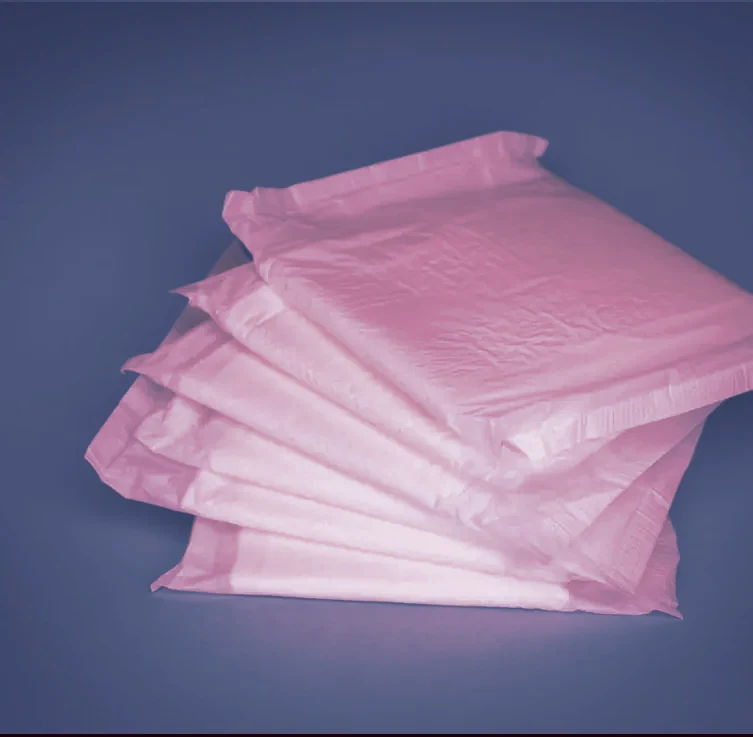
In short: the menstrual phase is your period. It starts on the first day of bleeding, which counts as day 1 of your cycle, and usually lasts 2 to 7 days. Hormones are at their lowest, the lining of the womb sheds, and it's completely normal to feel tired, crampy or a little more inward.
In Periodiva, this is your Rest phase.
What's happening in your body
After ovulation in your last cycle, the empty follicle turned into a small, temporary gland called the corpus luteum, which made progesterone to keep the womb lining thick and ready for a pregnancy. If no egg was fertilised, the corpus luteum breaks down and both progesterone and estrogen drop (Cleveland Clinic).
Without those hormones, the lining can't hold on. It sheds and leaves your body through the vagina, and that's your period (Cleveland Clinic).
Your body doesn't pause, though. Even while you bleed, your brain starts the next cycle by releasing follicle-stimulating hormone (FSH), which tells your ovaries to start ripening a new egg (Cleveland Clinic). That's why, strictly speaking, your period is also the start of the follicular phase.
How long does a period last?
Most periods last about 5 days, but anywhere from 2 to 7 days is normal, and bleeding is usually heaviest in the first 2 days (NHS).
Across a whole period, most people lose about 20 to 90 ml of blood, roughly 1 to 5 tablespoons (NHS). It often looks like more, because it's mixed with tissue from the womb lining.
What you might feel
Everyone's different, and your own period can change from month to month. Common experiences include:
- Cramps in your lower tummy, back or thighs. They happen when the womb tightens to shed its lining (NHS).
- Tiredness and lower energy, especially on heavier days.
- Bloating and tender breasts.
- Wanting more quiet. Lots of people feel more inward on their period. That's not laziness; your body is doing real work.
Care that helps
- Heat. A warm bath or shower, or a hot water bottle wrapped in a towel on your tummy, can ease cramps (NHS).
- Gentle movement. Walking, yoga, swimming or cycling can help with pain, if you feel up to it (NHS).
- Painkillers. Ibuprofen or paracetamol can take the edge off. Follow the dose on the pack.
- Iron-rich food. You lose some iron when you bleed, so lentils, beans, leafy greens, and meat or fish if you eat them, are a kind choice, especially if your periods are heavy. Our guide to eating for your cycle has more ideas.
- Rest, without guilt. Early nights and a lighter plan are allowed.
Is my period normal? When to talk to a doctor
See a doctor if you notice any of these (NHS: heavy periods, NHS: period pain):
- You need to change a pad or tampon every hour or two, or use two products at once.
- You pass clots about the size of a coin or bigger, or bleed through to your clothes or bedding.
- Your period lasts more than a week.
- Your pain is severe and painkillers don't help, or pain stops you doing everyday things.
- You bleed between periods or after sex.
- You often feel tired or breathless, which can be a sign of low iron.
Heavy or painful periods are common, but common doesn't mean you have to put up with them. A doctor can help.
Know when your next one is coming
Logging when your period starts and how heavy it is helps you learn your own pattern, and gives a doctor useful information if you ever need it.
Our free period calculator estimates your next three periods from the first day of your last one. It runs on your device and saves nothing. And when the Periodiva app launches, it will turn your log into daily, phase-aware care.
Next: the follicular phase, when energy often starts to rise.
Sources
- Menstrual Cycle (Normal Menstruation): Overview & Phases, Cleveland Clinic
- Luteal Phase of the Menstrual Cycle: Symptoms & Length, Cleveland Clinic
- Follicular Phase, Cleveland Clinic
- Periods, NHS
- Period pain, NHS
- Heavy periods, NHS